Guides · Oviedo, Florida
What Is Oviedo, FL Known For? Chickens, History & Charm
Celery money built the downtown. The chickens took it over.
The Chickens That Rule Downtown
Ask anyone in Central Florida what Oviedo is known for, and you'll get the same answer before the sentence finishes: the chickens. These free-roaming birds have become the town's unofficial mascots, strutting through downtown streets, pecking around historic storefronts, and generally acting like they own the place—because, in a sense, they do. Locals have embraced them as feathered celebrities. Visitors come specifically to see them. The chickens aren't a curated attraction; they're just there, living their best lives, crossing roads with zero regard for traffic (they have the right of way, after all). They've turned a quiet Seminole County town into a destination for anyone who appreciates a little absurdity with their history.
Oviedo's Farming Roots: Celery and Citrus History
Before the chickens, there was celery. Settlement began in the early 1800s, and by 1875 the Lake Jesup Settlement had taken root about a mile northwest of the lake that gave it its name, with around forty families forming a trading post that would grow into a thriving community. Andrew Aulin, an early settler and shopkeeper, named the post office Oviedo after the Spanish city and university, honoring Florida's Spanish heritage—a nod that stuck. Agriculture drove the economy into the 1940s, with citrus and celery as the twin engines of local prosperity. Butler Boston earns a place in the history books for successfully grafting tangerine budwood and introducing the temple orange from Jamaica, putting Oviedo on the map for more than just its produce. That celery money built the downtown. The citrus groves made it stick.
Oviedo's Historic Downtown and Old-Florida Charm
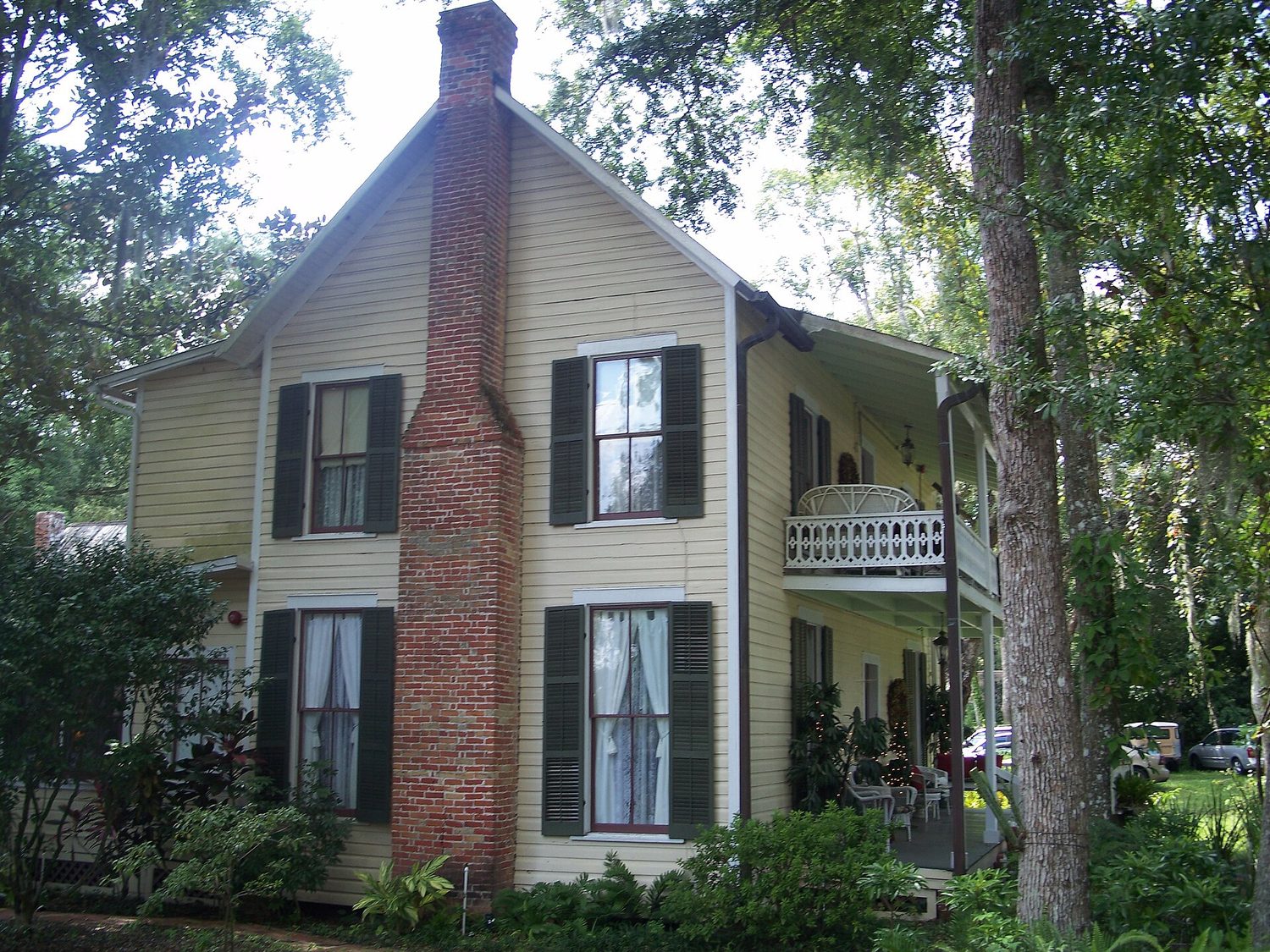
Oviedo became a town in 1925 and a city by referendum in 1967, but its streets still carry that old-Florida feel. Historic houses and buildings line the downtown, giving it a character that newer Central Florida suburbs can't fake. The settlement that started with forty families grew into a trading post, then a town, then a city—and through it all, the architecture kept pace without losing its sense of place. Walking through downtown Oviedo feels less like visiting a theme park version of Florida and more like stepping into a town that simply refused to become generic. The chickens wandering past century-old homes just add to the charm.
Living in Oviedo Today: Demographics and Community
Today's Oviedo is prosperous, educated, and unmistakably family-oriented. The population sits at 39,990, with a median age of 37.2 years—a community of working-age families rather than retirees or snowbirds. The median household income is $114,092, and 55.8 percent of residents hold a bachelor's degree or higher, reflecting a well-educated workforce. Housing tells a similar story: the median home value is $428,500, and median gross rent runs $1,963 per month. Of 13,823 total housing units, only 78 are held for seasonal or recreational use, so these aren't vacation homes—people actually live here. Unemployment sits at a healthy 4.6 percent, and 548 units sit vacant, which is a normal churn rate for a growing town. The numbers paint a picture of stability with a quirky soul.
Great Day in the Country: Oviedo's Annual Festival
Every November, the Oviedo Woman's Club hosts Great Day in the Country, an annual event that's been running since about 1974—the 2026 edition marks the 52nd year. It's a weekend of arts, crafts, food, and community stalls spread across downtown, and it draws crowds from all over Central Florida. Proceeds go to local scholarships, schools, and community grants, so every purchase supports the town itself. Parking is free, which is a small mercy in an era of festival price gouging. It's the kind of event that makes Oviedo feel like a real community rather than just a bedroom suburb.
Day Trips from Oviedo: Nearby Florida Towns to Visit
Oviedo is well-positioned for exploring the wider region. Sanford is 11 miles away and hosts Sanford Porchfest, a free music festival that turns front porches into stages. Altamonte Springs, 14 miles out, offers Red Hot & Boom, a massive Fourth of July celebration. Mount Dora, 33 miles away, runs both the Mount Dora Arts Festival and the Mount Dora Craft Fair, drawing artists and shoppers from across the state. Clermont, 38 miles west, serves up Pig on the Pond, a barbecue-heavy community event. And if you want the coast, Flagler Beach is 56 miles away, with its First Friday gatherings. Oviedo makes a fine home base for any of these excursions.
Oviedo, FL: Key Facts and Statistics
| Statistic | Value |
|---|---|
| Population | 39,990 |
| Median age | 37.2 years |
| Median household income | $114,092 |
| Bachelor's degree or higher | 55.8% |
| Unemployment rate | 4.6% |
| Median home value | $428,500 |
| Median gross rent | $1,963 |
| Total housing units | 13,823 |
| Seasonal/recreational homes | 78 |
| Vacant housing units | 548 |
So why are there chickens in Oviedo? Nobody planned it. They just showed up, stayed, and became the town's identity. What is Oviedo known for? Celery, citrus, a Spanish-derived name, a November festival that's been running for over half a century, and a flock of birds that turned a historic town into a place worth slowing down for. The chickens didn't build Oviedo. They sure made it memorable.
Common questions
- Why are there chickens wandering around Oviedo?
- The chickens are Oviedo's unofficial mascots and have roamed downtown for decades. No one owns them; they just showed up and stayed, becoming a beloved local quirk. You'll see them pecking near historic buildings and streets, and locals feed them. They're a big reason the town is known for its charm.
- What is Oviedo famous for besides the chickens?
- Oviedo is famous for its historic downtown, which grew from a 1875 settlement of about forty families. It was a celery and citrus farming hub into the 1940s, and the town honors that heritage. Today, it's also known for its well-preserved historic houses and buildings, plus a strong community feel.
- Is Oviedo a good place to live?
- Yes, Oviedo is a desirable place to live. The median household income is $114,092, and 55.8% of residents have a bachelor's degree or higher. The median home value is $428,500, and the median gross rent is $1,963. The unemployment rate is just 4.6%, and the median age is 37.2, making it a stable, educated community.
- What is there to do in Oviedo?
- You can explore the historic downtown, watch the chickens, and check out the old buildings. The big annual event is Great Day in the Country, a November festival run by the Oviedo Woman's Club since about 1974, with arts, crafts, food, and community stalls. Parking is free, and proceeds go to local scholarships and grants.
- How old is Oviedo?
- Settlement began in the early 1800s, and the Lake Jesup Settlement was established in 1875 with around forty families. Oviedo became a town in 1925 and a city by referendum in 1967. So it's got deep roots, but the modern city is just over a century old as an official town.
- Why is it called Oviedo?
- Andrew Aulin, an early settler and shopkeeper, named the post office Oviedo after the Spanish city and university. He did this to honor Florida's Spanish heritage. The name stuck, and it's been Oviedo ever since, even as the settlement grew from a trading post into a full city.
Every business named above is one we hold a listing for, and every date traces to a source on our sources page. We do not describe menus, interiors or service we have not verified. Details change — confirm before you travel.