Guides · Oviedo, Florida
The Best Time of Year to Visit Oviedo
The chickens do not keep a calendar. They roost when the sun goes down, scratch when it is up, and treat the downtown sidewalks as their own personal buffet regardless of the month. But if you are asking when to visit Oviedo, you are asking a different question. The answer is about weather, crowds, and the quiet rhythm of a town that still remembers its celery fields.
The Short Answer
Visit in late autumn or early spring. October through November and March through April give you the best of Florida: warm days, cool nights, and none of the summer's wet blanket of humidity. You will not be fighting for parking in the historic downtown, and the chickens will have the crosswalks to themselves.
The Temperature Reality
Central Florida does not do subtle seasons. Summer runs from May through September, and it is a long, humid argument with the sun. Afternoon thunderstorms are a daily appointment. The air sticks to you. The chickens look overheated, and they have the right idea—they find shade and wait.
Winter, from December through February, is the trade-off. The cold snaps are real. You will need a jacket, sometimes a heavy one. The median age in Oviedo is 37.2 years, which means plenty of residents are from somewhere colder, and they will tell you it is "freezing" when it dips below 60. It is not. But the nights can genuinely bite, and the days are hit or miss.
The sweet spot is the shoulder season. November is often the best month. The summer storms have broken, the holiday rush has not started, and the town feels like it is exhaling. March is the other peak—snowbirds are still around, but the weather is reliably pleasant, and the citrus groves that once defined the area are at their most fragrant.
The Crowd Factor
Oviedo is not a tourist town. It never was. The census numbers tell you that much: 39,990 people, and only 78 housing units held for seasonal or recreational use. That is a microscopic fraction of the 13,823 total units. Nobody is coming here for a vacation rental. They are coming for the university, the schools, the jobs, or the relative quiet of Seminole County.
So you will not be competing with vacationers for a table or a view. The crowds you will see are local. The median household income is $114,092, which means the downtown dining scene is supported by people who live here, not visitors. They are not going anywhere. The weekends are busier than the weekdays, but "busier" in Oviedo means a full parking lot at the feed store.
The Rain Factor
If you are visiting in the summer, you will plan your day around the rain. The storms roll in at 3 p.m. like clockwork, dump an inch in thirty minutes, and roll out. It is a nuisance, not a catastrophe. But if you want to walk the historic streets and look at the old houses without getting soaked, you want the dry months. October through May is the dry season. It is that simple.
The History Angle
The settlement that became Oviedo started in 1875 with about forty families on the shore of Lake Jesup, a mile northwest of where the town now stands. It grew into a trading post before the name even existed. Andrew Aulin, a shopkeeper, named the post office after the Spanish city of Oviedo, honoring the state's Spanish heritage. The town was incorporated in 1925 and became a city by referendum in 1967.
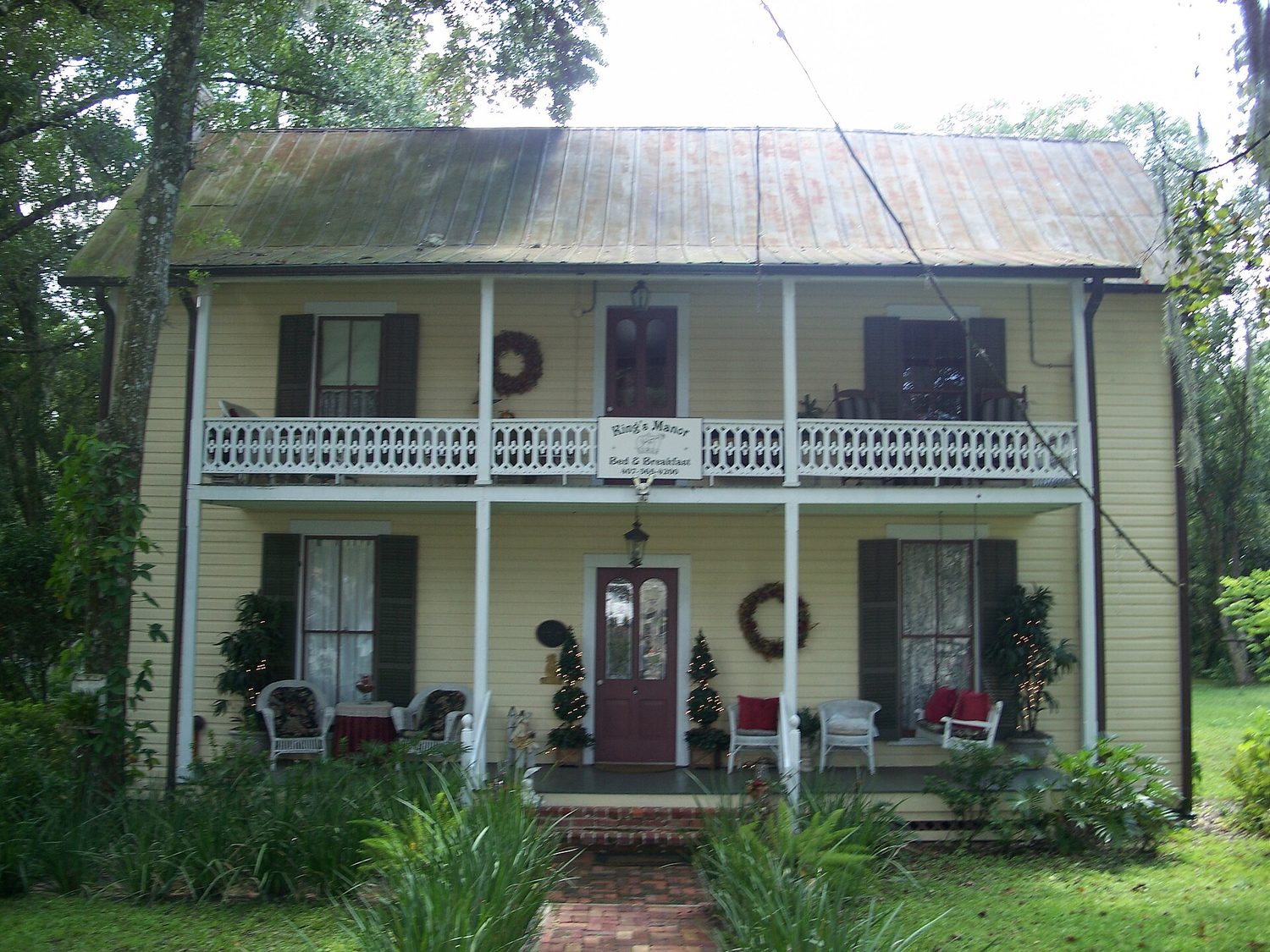
The agriculture that built the place ran into the 1940s. Citrus and celery were the cash crops. Butler Boston is credited with grafting tangerine budwood and bringing the temple orange over from Jamaica. That history is not visible from a car. You have to walk it. The historic houses are still there, tucked along the downtown streets, and the chickens patrol them like they own the place.
They do, technically. The chickens are the town's unofficial mascots. They roam freely, cross at the crosswalks, and have become the reason people stop and take photos. They are not a seasonal attraction. They are permanent residents with better job security than most of us.
The Data
The unemployment rate is 4.6 percent. The median home value is $428,500, and the median gross rent is $1,963. Over half the population—55.8 percent—holds a bachelor's degree or higher. This is not a transient town. It is a settled, educated, comfortable place. The people who live here are not leaving, and the chickens are not either.
The vacant housing rate is 548 units out of 13,823. That is about 4 percent, which is healthy. There is no seasonal boom, no snowbird surge, no rental market spike. Oviedo just sits there, doing its thing, year after year.
The Verdict
Come in November. The weather is right, the crowds are absent, and the town is at its most itself. The chickens will be out. The historic houses will be warm in the afternoon light. Lake Jesup will be calm. You will not find a parade or a festival. You will find a town that has been here since before the name, and that is enough.
If you must come in summer, come anyway. You will just be hot. The chickens do not care. They have been here the whole time.
Every business named above is one we hold a listing for, and every date traces to a source on our sources page. We do not describe menus, interiors or service we have not verified. Details change — confirm before you travel.