Guides · Oviedo, Florida
Wintering in Oviedo, FL: A Local's Guide to the Real Florida
**Wintering in Oviedo**
The snowbirds go to Naples; the chickens go to Oviedo. Honestly, the chickens have the better instincts.
The Chickens Are the Welcome Committee
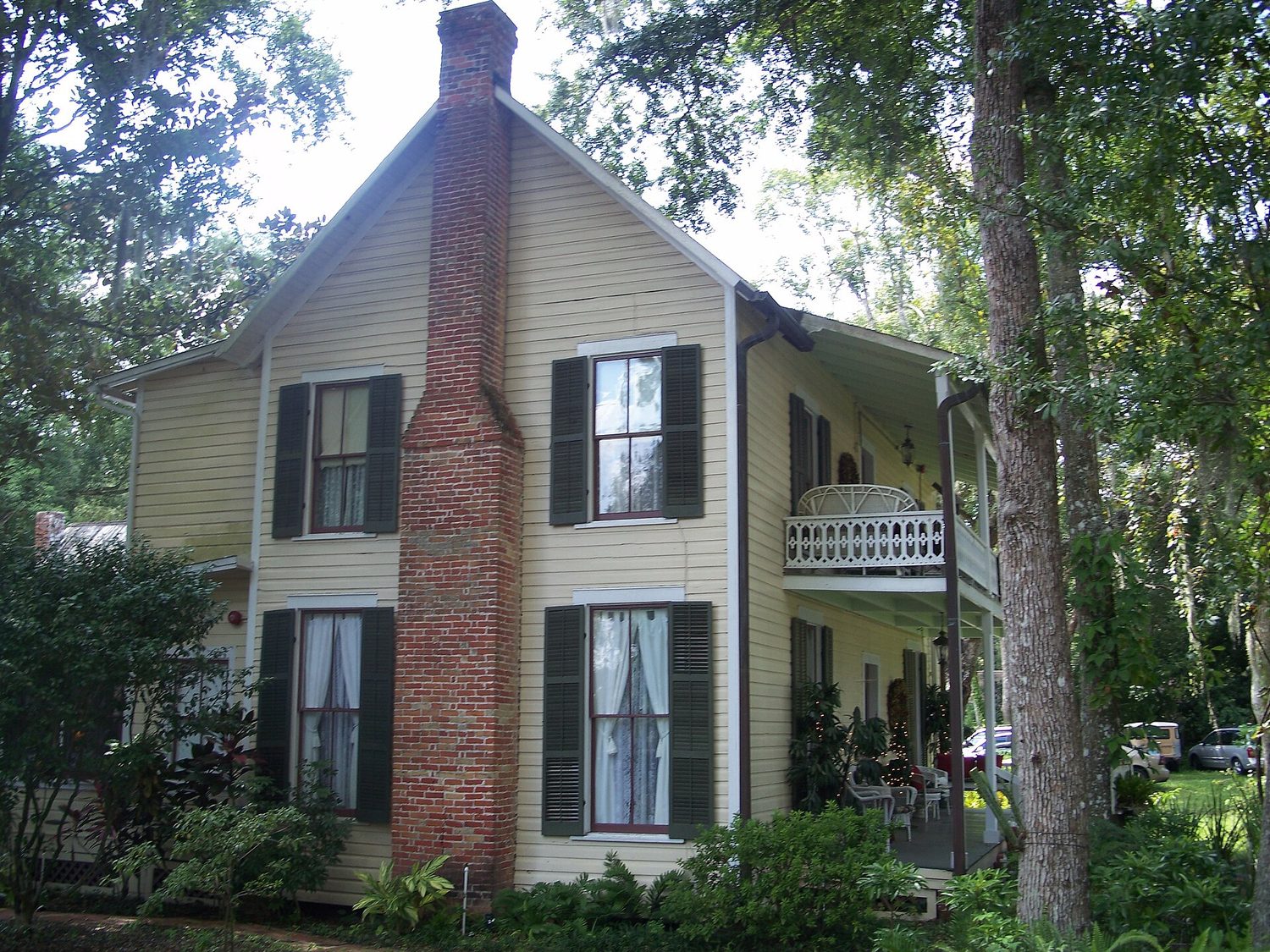
You haven't arrived until a rooster has sized you up from a storefront step. These free-roaming birds are the town's true residents, patrolling the historic downtown with a sense of ownership no HOA could replicate. They scratch around the old houses and buildings that line the core, treating the architecture as their personal coop. For a winter visitor, this is the first sign you've left the generic Florida circuit behind. The chickens aren't an attraction in the theme-park sense—they're just the local color, and nobody bats an eye when a hen crosses the street mid-conversation.
From Lake Jesup Settlement to Celery Capital: A Quick History
Oviedo's story starts about a mile northwest of today's downtown, where the Lake Jesup Settlement took root in 1875. Around forty families built a trading post that grew into something more substantial. By 1925, the town was officially incorporated, and in 1967, residents voted to make it a city. The name came from Andrew Aulin, an early settler and shopkeeper who chose Oviedo to honor the Spanish city and university—a nod to Florida's Spanish heritage that still fits.
Agriculture carried the economy well into the 1940s. Citrus and celery were the cash crops, and Butler Boston made a name for himself by successfully grafting tangerine budwood and the temple orange from Jamaica. That agricultural past isn't just a museum piece—it's visible in the town's layout, its older homes, and the pride locals take in a history that predates the theme parks by a century. The celery money built the downtown. The chickens just took it over.
What Wintering Here Actually Looks Like: The Numbers
If you're weighing a winter move, the numbers paint a clear picture. The population sits at 39,990, with a median age of 37.2 years—younger than the typical snowbird enclave. Housing units total 13,823, but only 78 are held for seasonal or recreational use. That's the tell: Oviedo isn't built for part-timers. Even with 548 vacant units, this is a working town, not a winter-only resort.
| Metric | Value |
|---|---|
| Population | 39,990 |
| Median age | 37.2 years |
| Total housing units | 13,823 |
| Seasonal/recreational units | 78 |
| Vacant housing units | 548 |
| Median home value | $428,500 |
| Median gross rent | $1,963 |
| Median household income | $114,092 |
| Bachelor's degree or higher | 55.8% |
| Unemployment rate | 4.6% |
The economics are solid. Median household income runs over $114,000, and unemployment is a low 4.6 percent. More than half of residents hold a bachelor's degree or higher. For a winter resident, that means you're joining a community with real year-round substance—not a seasonal ghost town. The median home value of $428,500 and gross rent around $1,963 suggest you're paying for quality, but you're also buying into a place where your neighbors actually live there.
The One Event You Can't Miss: Great Day in the Country
If you're in Oviedo during November, there's one anchor for your calendar. Great Day in the Country has been run by the Oviedo Woman's Club since about 1974, and the 2026 edition marks the 52nd year. It's a weekend of arts, crafts, food, and community stalls—the kind of event that feels increasingly rare in Florida, where so many festivals have become parking-lot carnivals with inflated prices.
The proceeds go to local scholarships, schools, and community grants, so your spending stays in the town. Parking is free, which is a small miracle in itself. For a winter visitor, this is the best possible introduction to Oviedo's character: a volunteer-run tradition that's been going for half a century, built on the same community spirit that started with forty families in 1875.
Day-Tripping from Oviedo: Nearby Towns Worth the Drive
Oviedo's central Seminole County location makes it a solid base for exploring the wider region. Sanford, 11 miles away, offers the Sanford Porchfest, a free music festival that turns front porches into stages—worth the short drive for an afternoon of wandering. Altamonte Springs, 14 miles off, hosts Red Hot & Boom, the region's big Fourth of July fireworks show, though winter visitors might find the lakefront trails more their speed.
Farther afield, Mount Dora sits 33 miles to the northwest and packs two major art events into its calendar: the Mount Dora Arts Festival and the Mount Dora Craft Fair. Both draw serious crowds, so go early. Clermont, 38 miles away, runs Pig on the Pond, a barbecue-heavy festival as much about the lake views as the food. And if you're willing to push 56 miles east, Flagler Beach offers First Friday, a monthly street party that pairs small-town charm with ocean air.
None of these are Oviedo, though. That's the point. Oviedo gives you a downtown where chickens outnumber tourists, a history still legible in its buildings, and a community that's been running its own festival for half a century. For a winter stay, that's not just different—it's better.
Common questions
- Why are there chickens roaming around Oviedo?
- The chickens are Oviedo's claim to fame—they've taken over downtown and are part of its quirky charm. Nobody's exactly sure how they started, but they're protected and loved by locals. You'll see them pecking near historic houses and buildings, adding a lively, feathered welcome.
- What is there to do in Oviedo besides look at chickens?
- Beyond the chickens, you can explore historic downtown with its old buildings and the Lake Jesup Settlement site from 1875. If you're here in November, don't miss Great Day in the Country, a community festival with arts, crafts, and food, run by the Oviedo Woman's Club since about 1974.
- Is Oviedo a good place to visit for a day trip?
- Yes, Oviedo makes a great day trip, especially if you like small-town history and a bit of quirk. You can wander downtown, see the chickens, and learn about the celery and citrus farming that built the town. Nearby Sanford is just 11 miles away for more to explore.
- What's the history of Oviedo?
- Settlement began in the early 1800s, and the Lake Jesup Settlement started in 1875 with about 40 families. Andrew Aulin named the post office Oviedo after a Spanish city. Agriculture, especially citrus and celery, drove the economy into the 1940s. Oviedo became a town in 1925 and a city in 1967.
- How far is Oviedo from other towns like Sanford or Mount Dora?
- Oviedo is centrally located for exploring. Sanford is 11 miles away, Altamonte Springs is 14 miles, Mount Dora is 33 miles, and Clermont is 38 miles. Each has its own events, like Sanford Porchfest or Mount Dora Arts Festival, so you can easily plan a multi-town trip.
- What's the cost of living or housing like in Oviedo?
- Oviedo is a fairly affluent community. The median home value is $428,500, and the median gross rent is $1,963. Median household income is $114,092, which is high. About 55.8% of residents have a bachelor's degree or higher, and the unemployment rate is low at 4.6%.
Every business named above is one we hold a listing for, and every date traces to a source on our sources page. We do not describe menus, interiors or service we have not verified. Details change — confirm before you travel.