Guides · Oviedo, Florida
Oviedo, FL: The Town Worth Adding to Your Trip
> [!LOCAL] > Oviedo's chickens don't just tolerate the tourists. They run the place.
Meet Oviedo's Famous Free-Roaming Chickens
You'll spot them before you see the historic storefronts: a rooster strutting across the brick walkway, a hen escorting her chicks past the old courthouse, a whole flock holding an impromptu traffic meeting at the crosswalk. These are the chickens of Oviedo, and they are not a quirk to be endured. They are the town's true civic mascots, the unofficial greeters who've decided that every visitor deserves a personal escort. The practical tip every local will eventually give you—usually with a grin—is to follow the chickens. They know the best routes through downtown and will lead you past the historic houses and buildings you'd otherwise miss.
How Oviedo Got Its Name: From Swamp to Celery Town
The chickens didn't always rule this roost. Settlement began in the early 1800s, but the real origin story starts with the Lake Jesup Settlement, established in 1875 with around forty families. It grew into a thriving trading post, a speck of civilization in the Florida scrub. Andrew Aulin, an early settler and shopkeeper, named the post office Oviedo after the Spanish city and university, a nod to the state's Spanish heritage that still feels fitting today.
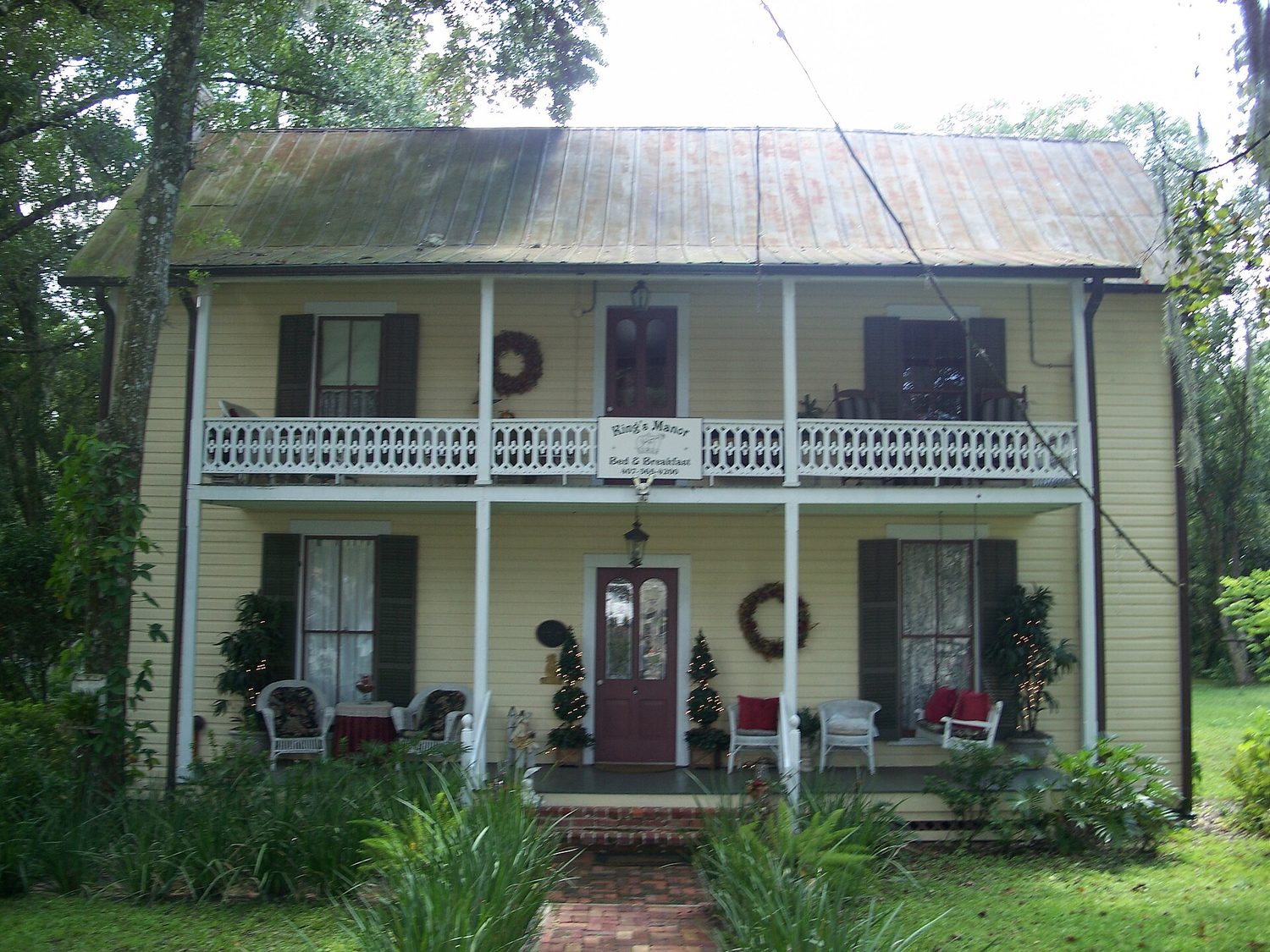
Oviedo became a town in 1925 and a city by referendum in 1967, but the downtown you walk today was built on something far humbler: celery. Agriculture ran the economy into the 1940s, and citrus and celery money raised the historic houses and buildings that now anchor the town. The chickens wander past these structures like they own them—which, in a way, they do. They've inherited the streets that celery built.
The Citrus Legacy That Put Oviedo on the Map
Ask a local about the town's agricultural glory days and you'll hear a name: Butler Boston. He's credited with successfully grafting tangerine budwood and the temple orange from Jamaica, an innovation that put Oviedo on the map long before the chickens arrived. This wasn't just a backyard experiment; it shaped the local economy and identity well into the 1940s. The citrus groves and celery fields may be gone, but their legacy lives on in the town's bones—and in the stubborn, free-ranging spirit of its feathered residents.
Walking Tour of Historic Downtown Oviedo
The best way to see downtown Oviedo is on foot, with a camera in one hand and your patience in the other. The historic houses and buildings are scattered along the main streets, each one a quiet testament to the agricultural wealth that built this place. The chickens will accompany you the whole way, pecking at the grass, sunning themselves on the sidewalks, and occasionally darting across your path like tiny feathered crossing guards.
For photography, resist the urge to crouch for a close-up. A respectful distance gives you better shots anyway—and keeps you from startling them. You can get a sense of the town's character just by wandering, letting the birds guide you from one historic spot to the next. They're not going anywhere, and neither is the history.
Lake Jesup: The Reason Oviedo Was Founded
Before there was celery, before there was citrus, there was water. Lake Jesup, a mile northwest of the original settlement, is the reason those first forty families chose this spot in 1875. The lake provided transportation, food, and a lifeline to the outside world. Today, it offers a different perspective on the town's origins. A short drive from downtown takes you to the lake's edge, where you can trade the clucking of chickens for the call of wading birds and the shimmer of open water. It's worth the trip to see where Oviedo began—and to appreciate just how far it's come.
Great Day in the Country: Oviedo's Annual Festival
For one weekend every November, the chickens share the spotlight. Great Day in the Country, run by the Oviedo Woman's Club since about 1974, brings arts, crafts, food, and community stalls to the downtown streets. The 2026 edition marks the 52nd year, and it's the kind of event worth planning a trip around. Proceeds go to local scholarships, schools, and community grants, so every purchase feels like a donation to the town itself. Parking is free, which in Florida is practically a miracle.
Oviedo Demographics: Quick Facts
| Statistic | Figure |
|---|---|
| Population | 39,990 people |
| Median age | 37.2 years |
| Median household income | $114,092 |
| Unemployment rate | 4.6% |
| Bachelor's degree or higher | 55.8% |
| Median home value | $428,500 |
| Median gross rent | $1,963 |
| Total housing units | 13,823 units |
| Vacant housing units | 548 units |
| Homes held for seasonal or recreational use | 78 units |
So the next time someone asks why there are chickens roaming Oviedo's downtown, you can tell them the truth: they're not a problem to solve. They're the town's original residents, the heirs to a celery-and-citrus empire, and the best tour guides you'll ever meet. Follow them. They know where they're going—even if you don't.
Common questions
- Why are there so many chickens in Oviedo?
- The chickens are the town's claim to fame. They roam freely around downtown, and locals have embraced them as a quirky symbol of Oviedo's character. No one officially owns them; they're just part of the scenery, alongside the historic houses and buildings.
- What is Oviedo known for besides the chickens?
- Oviedo's history runs deep. It started as the Lake Jesup Settlement in 1875 with about forty families, later thriving on citrus and celery farming. Andrew Aulin named it after the Spanish city Oviedo. Today, you'll find historic buildings and a small-town feel.
- Is there a good time to visit Oviedo?
- A great time is during the Great Day in the Country, held over a November weekend. Run by the Oviedo Woman's Club since about 1974, the 2026 edition is the 52nd. It features arts, crafts, food, and community stalls, with free parking. Proceeds support local scholarships and grants.
- How far is Oviedo from other towns worth visiting?
- Oviedo is well-placed for day trips. Sanford is 11 miles away, Altamonte Springs 14 miles, Mount Dora 33 miles, and Clermont 38 miles. Flagler Beach is 56 miles. Each offers its own events, like Sanford Porchfest or the Mount Dora Arts Festival.
- What's the cost of living like in Oviedo?
- It's on the higher side. The median home value is $428,500, and the median gross rent is $1,963. The median household income is $114,092, which helps balance things out. About 55.8 percent of residents have a bachelor's degree or higher.
- Are there any hotels or lodging options in Oviedo?
- No, Oviedo doesn't have its own lodging. You'll need to stay in nearby towns like Sanford or Altamonte Springs and drive in. The town's focus is on its historic downtown and chicken-watching, not overnight stays.
Every business named above is one we hold a listing for, and every date traces to a source on our sources page. We do not describe menus, interiors or service we have not verified. Details change — confirm before you travel.