Guides · Oviedo, Florida
Oviedo, Florida History: Chickens, Celery & Lake Jesup
The chickens of Oviedo don't ask permission. They don't check the zoning code, and they don't seem to care that the town around them now posts median incomes that would make a celery farmer spit out his coffee. They are the living link between Oviedo's swamp-and-sod past and its spreadsheet-perfect present. They own the downtown in a way no Chamber of Commerce ever could.
The Chickens of Oviedo: Why the Birds Own the Block
Walk any downtown sidewalk in Oviedo and you'll eventually have to step around a hen. They peck at the landscaping, cross roads at their own leisure, and generally conduct themselves like they've been here longer than the paved streets—because, in a sense, they have. Their ancestors arrived with the farm families who worked this land. When the groves and celery fields gave way to subdivisions and storefronts, the chickens simply declined to leave. Today they're the town's unofficial mascots, a live-wire connection to the agricultural economy that built every brick and beam around them. The birds don't know they're a symbol. That's exactly why they work.
From Swamp Settlement to Celery Capital
Settlement began in the early 1800s. The real origin story starts in 1875, when the Lake Jesup Settlement was established near the lake's northwestern shore with around forty families. That small cluster grew into a thriving trading post, drawing on the water for transport and the muck-rich soil for farming. Agriculture ran the economy into the 1940s, with citrus and celery leading the charge. Growers drained wetlands, cleared hammocks, and turned swamp into some of the most productive farmland in the region. Butler Boston, an early innovator, is credited with successfully grafting tangerine budwood and the temple orange from Jamaica—work that helped diversify the citrus stock and cement Oviedo's place in Florida's agricultural story. The celery came later, and it came big enough to put Oviedo on the map as a packing and shipping hub. The chickens, as any good farm bird would, stuck around for the whole show.
Why Oviedo, Florida Has a Spanish Name
This is the detail most people miss: the town's name has nothing to do with its founders' families. It has everything to do with Spain. Andrew Aulin, an early settler and shopkeeper, named the post office Oviedo after the Spanish city and university, honoring the state's Spanish heritage. It wasn't a nod to local geography or a beloved relative—it was a deliberate gesture toward Florida's colonial past, a way of claiming a deeper lineage than the settlement's own short history. The name stuck, and Oviedo became a town in 1925, then a city by referendum in 1967. The Spanish connection remains, even if most residents today are more likely to discuss HOA rules than Habsburg history.
How Lake Jesup Shaped Oviedo's Growth
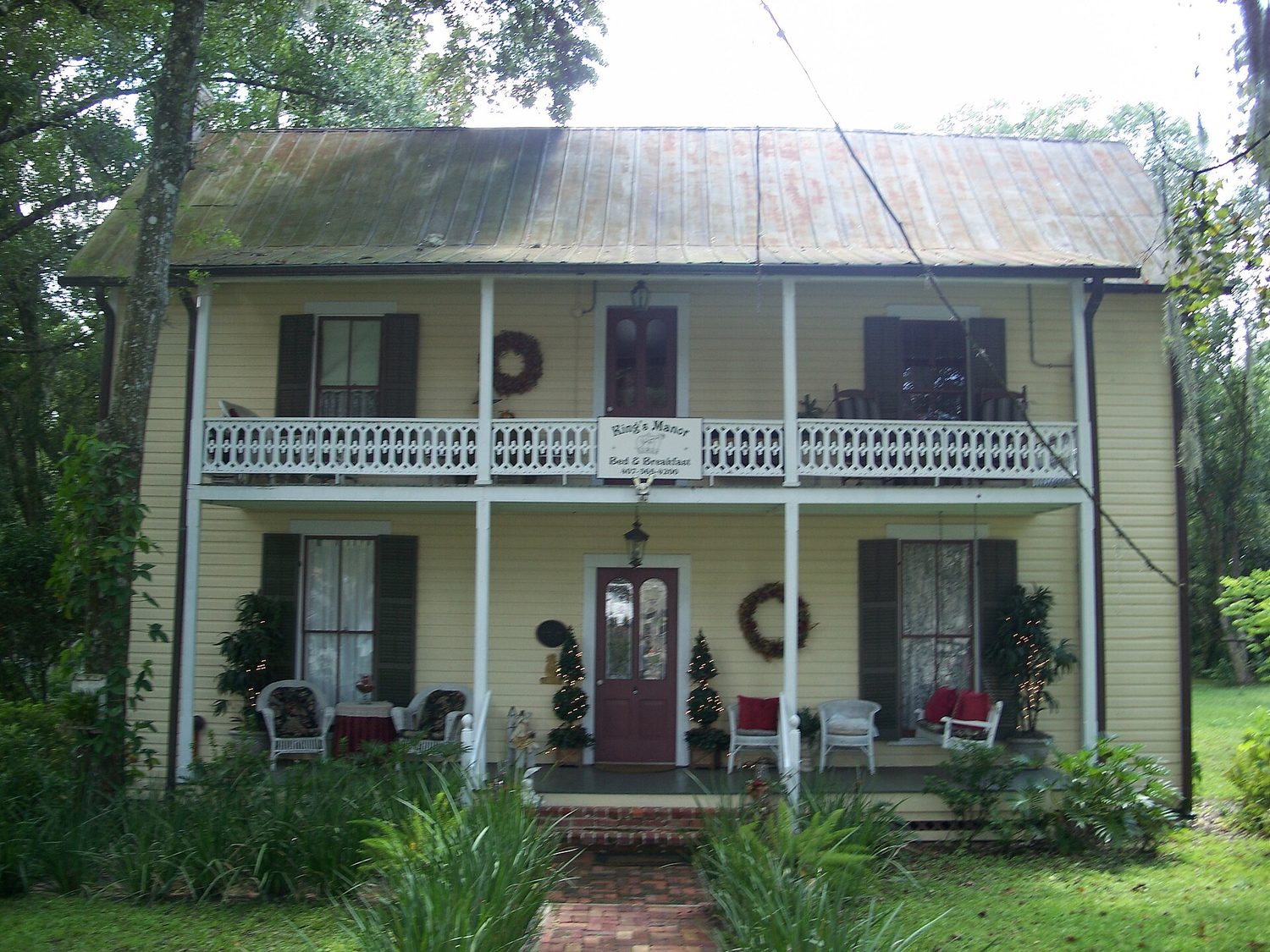
Lake Jesup sits about a mile northwest of the settlement that started the town. It's impossible to understand Oviedo without it. The lake provided the trading post's lifeline—water access meant goods could move, people could arrive, and the settlement could grow from forty families into a working community. The lake shaped where the town went, how it farmed, and why it mattered. Today, the water no longer drives the economy the way it once did, but it still anchors the town's geography and its sense of place. The downtown historic houses and buildings cluster where they always have, and the lake remains a constant, even as the economy shifted from boats and barges to commuter traffic and office parks.
Oviedo by the Numbers: The Town Today
The census tells a story that would baffle those forty original families. Oviedo's population now stands at 39,990 people, with a median age of 37.2 years. The median household income is $114,092, and 55.8 percent of residents hold a bachelor's degree or higher. Unemployment sits at 4.6 percent—healthy by any standard. Housing tells an interesting tale of its own: the median home value is $428,500, and the median gross rent is $1,963. Of the 13,823 total housing units, only 78 are held for seasonal or recreational use, a remarkably low number that says this is a place where people actually live, not just visit. There are 548 vacant units, a modest vacancy rate that reflects a stable, occupied community. The chickens, for the record, pay no property taxes.
| Aspect | Historical/Event | Current Data |
|---|---|---|
| Population | ~40 families at 1875 settlement | 39,990 people |
| Economy | Citrus and celery through the 1940s | Median household income $114,092 |
| Education | Trading post era, limited formal schooling | 55.8% bachelor's degree or higher |
| Housing | Farmsteads and packing houses | Median home value $428,500 |
| Employment | Agricultural labor | 4.6% unemployment rate |
Great Day in the Country and the Community Spirit
The town's agricultural past gets a modern revival every November with Great Day in the Country, a festival run by the Oviedo Woman's Club since about 1974. The 2026 edition will be the 52nd, and it still delivers what the name promises: arts, crafts, food, and community stalls spread out over a weekend. Proceeds go to local scholarships, schools, and community grants—the same kind of grassroots mutual support that kept the settlement alive in the 1800s. Parking is free, which feels like a small mercy in a town where everything else has gotten expensive. It's the one weekend a year when the town's heritage and its present collide in a field full of tents and volunteers.
The chickens will still be there the other 363 days, pecking at the ground where celery once grew, indifferent to the census data and the median home values. That's the whole point. Oviedo built a prosperous, educated, modern community on top of its swampy, agricultural roots—and then let the birds keep the streets. It's hard to think of a better metaphor for Florida itself: the past doesn't go away, it just learns to cross at the crosswalk.
Common questions
- Why are there chickens roaming around Oviedo?
- The chickens are the town's unofficial mascots and have taken over downtown Oviedo. They roam freely around the historic houses and buildings, giving the town its quirky character. No one knows exactly why they started, but they're a beloved part of the local charm.
- What is Oviedo known for historically?
- Oviedo's history is rooted in agriculture, especially celery and citrus, which drove the economy into the 1940s. The town started as the Lake Jesup Settlement in 1875 with about forty families. It became a town in 1925 and a city in 1967.
- How did Oviedo get its name?
- Andrew Aulin, an early settler and shopkeeper, named the post office Oviedo after the Spanish city and university. He did this to honor Florida's Spanish heritage, tying the town's identity to its colonial roots.
- Is there a big annual event in Oviedo?
- Yes, Great Day in the Country happens every November, run by the Oviedo Woman's Club since about 1974. The 2026 edition is the 52nd, with arts, crafts, food, and community stalls. Proceeds go to local scholarships and grants, and parking is free.
- What is the population and income level in Oviedo?
- Oviedo has about 39,990 people with a median age of 37.2 years. The median household income is $114,092, and the median home value is $428,500. Over half of residents (55.8%) hold a bachelor's degree or higher.
- Can I visit nearby towns from Oviedo for day trips?
- Yes, Sanford is 11 miles away with Porchfest, and Altamonte Springs is 14 miles with Red Hot & Boom. Mount Dora, 33 miles, hosts arts and craft fairs. Clermont is 38 miles for Pig on the Pond, and Flagler Beach is 56 miles for First Friday.
Every business named above is one we hold a listing for, and every date traces to a source on our sources page. We do not describe menus, interiors or service we have not verified. Details change — confirm before you travel.