Guides · Oviedo, Florida
Reading the Buildings of Oviedo: Architecture & History
Oviedo’s chickens don’t answer to anyone. That’s exactly why they’re the best guides this town has ever had. They cluck along the sidewalks, pause at a historic porch, and dare you to keep up — follow them, and you’ll find the real story of how celery money and citrus grafted a community together.
The Chickens Are the Welcome Committee
Walk into downtown Oviedo and you’ll be met by the self-appointed mayors: a loose flock of chickens scratching at the grass, hopping onto curbs, and generally acting like they own the place. Because, in a way, they do. These birds are the town’s living mascots, its unofficial historians, strutting past buildings that hold the memory of a settlement that grew from swamp to thriving trading post. They don’t rush, they don’t care about your schedule, and they’ll happily escort you past the old storefronts and shaded lawns as if to say, “Slow down. Look closer.” It’s a warm, amused welcome — and it sets the pace for everything that follows.
From Swamp to Settlement: The Lake Jesup Roots
Long before the chickens arrived, this land was frontier. Settlement began in the early 1800s, but it wasn’t until 1875 that the Lake Jesup Settlement took shape — around forty families carving a life out of a mile of wilderness northwest of Lake Jesup. They built a trading post that grew into a hub, a place where goods and gossip moved at the speed of horse-drawn wagons. The settlement became Oviedo as a town in 1925, and by referendum in 1967, it became a city. But those early roots matter: the town’s origin isn’t a shopping plaza or a subdivision. It’s a lake, a swamp, and the stubborn people who drained it and called it home.
Celery, Citrus, and a Spanish Name
The name itself carries a piece of history. Andrew Aulin, an early settler and shopkeeper, named the post office Oviedo after the Spanish city and university, honoring Florida’s Spanish heritage. It’s a name that sounds like it belongs to a place with more ambition than acreage — and it proved fitting. Agriculture ran the economy well into the 1940s, with citrus and celery leading the charge. Butler Boston earned his place in the story by successfully grafting tangerine budwood and the temple orange from Jamaica, a move that put Oviedo on the map for growers who knew their fruit. The celery money built the downtown. The citrus built the reputation. And the Spanish name tied it all together with a nod to the old world.
Reading the Buildings: What the Architecture Says
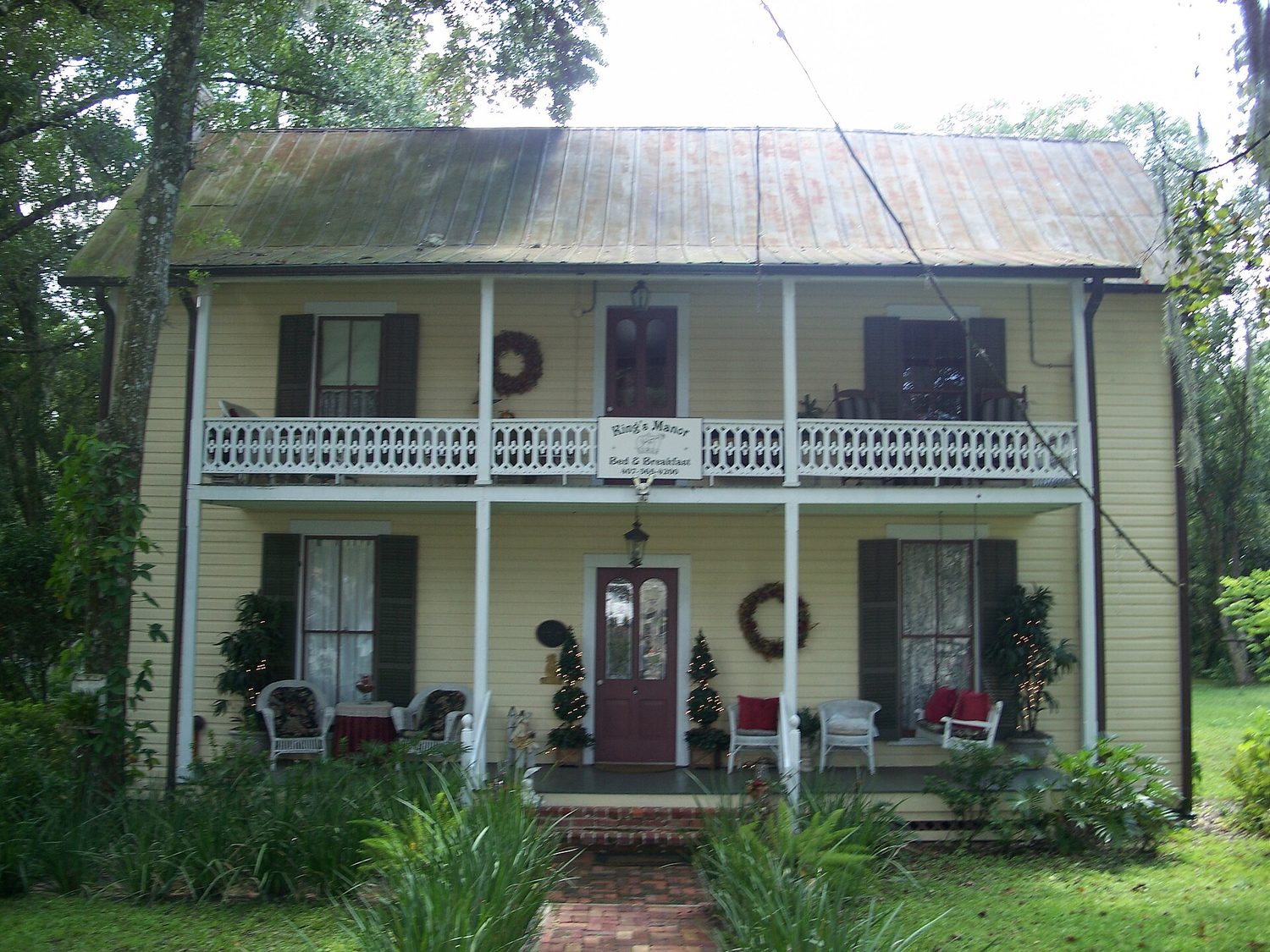
The buildings here are the physical record of that agricultural wealth. Historic houses and structures line the streets, their wooden porches and pitched roofs speaking to a time when success was measured in harvests, not home offices. These aren’t grand mansions — they’re solid, practical, proud homes built by people who made a living from the dirt. They stand in quiet contrast to the newer development creeping in from the edges of town, the subdivisions and strip malls that could be anywhere in Florida. But the old core holds its ground, reminding anyone who looks that Oviedo was here first, and it plans to stay. The architecture says what the history books do: this town was built by hand, and it shows.
Oviedo Today: Population, Income, and Housing Data
Today’s Oviedo is a town that has kept its past while embracing a prosperous present. The census data tells the story clearly — a population of 39,990, with a median age of 37.2 years, makes for a community that’s young enough to grow and settled enough to care. The median household income sits at $114,092, and 55.8 percent of residents hold a bachelor’s degree or higher. Home values reflect that success, with a median of $428,500, while the median gross rent runs $1,963. The unemployment rate is a lean 4.6 percent. Of the 13,823 total housing units, only 548 sit vacant, and just 78 are held for seasonal or recreational use — this isn’t a vacation town; it’s a place people live. The prosperity that started with celery and citrus has translated into a stable, educated, and invested community.
| Then (1875–1940s) | Now (Census Data) |
|---|---|
| Forty families in a swamp settlement | Population of 39,990 people |
| Economy driven by citrus and celery | Median household income of $114,092 |
| Trading post at the heart of town | 55.8% of residents hold a bachelor’s degree or higher |
| Agriculture into the 1940s | 13,823 total housing units, with 548 vacant |
| Rural, self-sufficient community | Median home value of $428,500; median gross rent of $1,963 |
A Day in the Country: The Town’s Living Tradition
That sense of community comes to life every November with Great Day in the Country, run by the Oviedo Woman’s Club since about 1974. The 2026 edition marks the 52nd year — a weekend of arts, crafts, food, and community stalls that draws people out of their porches and into the streets. Proceeds go to local scholarships, schools, and community grants, which is fitting for a town that has always reinvested in itself. Parking is free, but it fills up fast. Pair the event with a chicken-spotting walk through downtown and you’ve got the full Oviedo experience: history, community, and a few feathers.
The chickens know the way. Follow them, and you’ll see the town they’ve been guarding all along.
Common questions
- Why are there chickens roaming around Oviedo?
- The chickens are the town's quirky claim to fame, and they've taken over downtown. They roam freely among the historic houses and buildings, and locals treat them as beloved mascots. No one knows exactly when they started, but they're a big part of Oviedo's charm.
- What is Oviedo known for besides chickens?
- Oviedo's history is rooted in agriculture, especially citrus and celery, which drove the economy into the 1940s. The town also has historic buildings and a strong community feel. It's a place where the past is still visible in the architecture and local traditions.
- How old is Oviedo and when was it founded?
- Settlement began in the early 1800s, with the Lake Jesup Settlement established in 1875 by about forty families. Oviedo became a town in 1925 and a city by referendum in 1967. It's grown a lot since then, but the historic core remains.
- What is the Great Day in the Country event?
- It's an annual November weekend festival run by the Oviedo Woman's Club since about 1974. The 2026 edition is the 52nd, featuring arts, crafts, food, and community stalls. Proceeds go to local scholarships, schools, and community grants, and parking is free.
- What is the median home value in Oviedo?
- The median home value is $428,500, with a median gross rent of $1,963. The median household income is $114,092, and the unemployment rate is 4.6%. It's a fairly affluent community with a well-educated population—55.8% have a bachelor's degree or higher.
- Is there a downtown area with shops and restaurants?
- Yes, downtown Oviedo is where you'll find the chickens, historic houses, and buildings. It's a walkable area that reflects the town's agricultural past. While there's no lodging in Oviedo itself, you can explore the downtown and nearby towns like Sanford or Mount Dora for more options.
Every business named above is one we hold a listing for, and every date traces to a source on our sources page. We do not describe menus, interiors or service we have not verified. Details change — confirm before you travel.