Guides · Oviedo, Florida
The Industry That Built Oviedo, Florida
The chickens of Oviedo do not read the historical markers. They do not care that the celery money built the sidewalks they patrol. They just strut, peck, and occasionally square up to a parked car. In doing so, they become the town's unofficial historians—feathered tour guides with an attitude.
Oviedo's Chickens: The Town's Unofficial Mascots
Any given Tuesday in downtown Oviedo, a rooster will cross the road. Not for a punchline—just because he can. The chickens are the town's living mascots, the wandering spirits of a place that grew from swampy settlement to prosperous city without ever losing its sense of humor. They treat the crosswalks like catwalks, the porches of historic houses like thrones, and the occasional shiny object like a royal jewel. Locals barely notice them. Visitors can't stop watching. The birds are the connective tissue between Oviedo's agricultural past and its suburban present—wild creatures that remind everyone this town was built on the land, not just on the plans.
How Celery and Citrus Built Oviedo
Settlement began in the early 1800s, but the real start came in 1875 when the Lake Jesup Settlement was established with around forty families. A mile northwest of present-day downtown, the settlement grew into a thriving trading post, and Lake Jesup provided the waterway that connected these pioneers to the wider world. The economy ran on agriculture into the 1940s, with citrus and celery leading the charge. The celery fields made fortunes, and the citrus groves made Oviedo a name worth knowing. Andrew Aulin's early shopkeeping anchored the community, but it was Butler Boston who put Oviedo on the agricultural map by successfully grafting tangerine budwood and the temple orange from Jamaica. Those were the crops that built the houses, funded the downtown, and gave the town its first taste of real prosperity.
Why Oviedo Is Named After a Spanish University Town
Andrew Aulin, the early settler and shopkeeper, had a poetic streak. When it came time to name the post office, he reached across the Atlantic and pulled down Oviedo, Spain—a city and university town—to honor Florida's Spanish heritage. The name stuck. Oviedo became a town in 1925 and then a city by referendum in 1967. The Spanish connection runs deeper than just a name; it's a nod to the centuries of influence that shaped Florida's character long before the chickens arrived. Aulin could have named it anything. He chose a university town, and that choice says something about the aspirations of a settlement that wanted to be more than just a trading post on a lake.
Historic Homes That Reflect Oviedo's Agricultural Boom
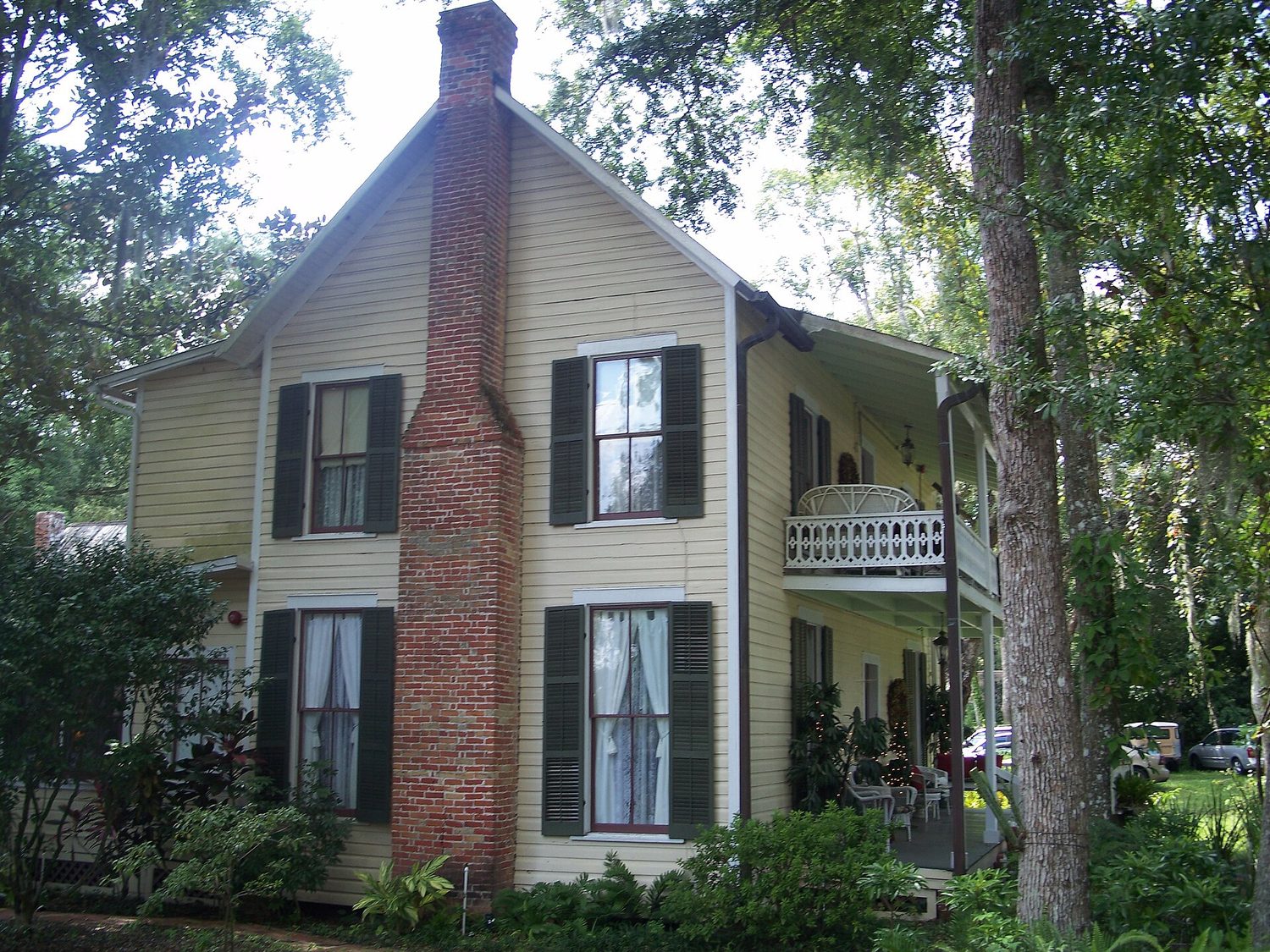
Look up from the chickens and you'll see the architecture of ambition. The historic houses and buildings downtown are physical reminders of the agricultural boom—the celery money that got converted into wood, brick, and gabled roofs. These structures stand as silent witnesses to the town's evolution, their wraparound porches and tin roofs telling the story of a community that worked the land and built something lasting. The chickens roost on these porches, scratch around these foundations, and treat these century-old homes as their own personal condominiums. The buildings anchor Oviedo to its past in a way that no marker or plaque can match, and they invite visitors to wander, look up, and imagine what it must have been like when the fields ran right up to the front doors.
Oviedo Today: Demographics and Housing Stats
Today's Oviedo is a far cry from a forty-family settlement. The census paints a picture of a town that has traded celery for cubicles and still come out ahead. The median household income sits at $114,092, with 55.8 percent of residents holding a bachelor's degree or higher. The median home value is $428,500, and the median gross rent runs $1,963. It's a prosperous, educated, and settled community. But the housing market tells the real story: of 13,823 total housing units, only 78 are held for seasonal or recreational use, and just 548 sit vacant. This is a town where people live, not a place people visit and leave. The unemployment rate is a low 4.6 percent, and the median age of 37.2 years suggests a community in its prime—not too young, not too old, just right for putting down roots. The chickens may have been here first, but the humans have made themselves comfortable.
| Stat | Figure |
|---|---|
| Population | 39,990 |
| Median age | 37.2 years |
| Median household income | $114,092 |
| Bachelor's degree or higher | 55.8% |
| Unemployment rate | 4.6% |
| Median home value | $428,500 |
| Median gross rent | $1,963 |
| Total housing units | 13,823 |
| Seasonal/recreational homes | 78 |
| Vacant housing units | 548 |
Great Day in the Country: Oviedo's Annual Festival
Once a year, the chickens have to compete for attention. Great Day in the Country, run by the Oviedo Woman's Club since about 1974, takes over a November weekend with arts, crafts, food, and community stalls. The 2026 edition will be the 52nd, and the proceeds go straight back to local scholarships, schools, and community grants. Parking is free, which is about as Oviedo as it gets. For one weekend, the downtown fills with people who are not just wandering to watch the birds—they're there for the booths and the cause. The chickens, for their part, usually act unimpressed and continue their eternal patrol, as if to say that a festival is fine, but the sidewalks are still theirs.
The town's past shows up everywhere: in the historic houses, in the festival that's been running for half a century, in the very name on the post office. But it shows up most vividly in the birds that own the sidewalks. They are the living reminder that Oviedo was built on the land, by people who worked it, and that some things—like a good strut—never go out of style.
Common questions
- Why are there chickens roaming around Oviedo?
- The chickens are a beloved local quirk that took over downtown Oviedo. They roam freely around the historic buildings and streets, and the town is known for them. Nobody owns them; they're just part of the community's character, and residents and visitors alike enjoy their presence.
- What is the history of Oviedo, Florida?
- Settlement began in the early 1800s, and the Lake Jesup Settlement was established in 1875 with about forty families. It grew into a trading post. Oviedo became a town in 1925 and a city by referendum in 1967. Andrew Aulin named the post office after the Spanish city.
- What was the main industry that built Oviedo?
- Agriculture ran the economy into the 1940s, primarily citrus and celery. Celery money built the downtown. Butler Boston is credited with grafting tangerine budwood and the temple orange from Jamaica, which were important crops for the area.
- Is there a festival in Oviedo?
- Yes, Great Day in the Country is an annual event run by the Oviedo Woman's Club since about 1974. The 2026 edition is the 52nd, held over a November weekend. It features arts, crafts, food, and community stalls, with free parking. Proceeds go to local scholarships and grants.
- What is the population of Oviedo?
- Oviedo has a population of 39,990 people, with a median age of 37.2 years. The median household income is $114,092, and the median home value is $428,500. About 55.8 percent of residents have a bachelor's degree or higher.
- Where is Lake Jesup in relation to Oviedo?
- Lake Jesup is about a mile northwest of the original 1875 Lake Jesup Settlement, which started the town. The settlement grew from forty families into a thriving trading post, and the lake is a notable geographic feature nearby.
Every business named above is one we hold a listing for, and every date traces to a source on our sources page. We do not describe menus, interiors or service we have not verified. Details change — confirm before you travel.