Guides · Oviedo, Florida
Oviedo, Florida: What Has Changed in This Historic Town
The Chickens of Oviedo - Celery money built the downtown. The chickens took it over.
Why Chickens Roam Free in Oviedo's Downtown
Walk down Oviedo's downtown and you will be supervised. Chickens scratch at the sidewalk, roost under porches, and cross the street at their own leisure, entirely unimpressed by the cars that wait for them. Nobody owns them. Nobody shooed them off. They are simply the residents who never had to file for a homestead exemption, and they have become the town's defining feature. Visitors come for the birds, stay for the historic houses, and leave wondering if the chickens have a better handle on local real estate than the rest of us.
Oviedo's 19th-Century Roots: From Lake Jesup Settlement to Celery Capital
Oviedo started as the Lake Jesup Settlement in 1875, a modest collection of around forty families who built a trading post a mile from the lake that gave them their name. It grew quickly into a thriving hub, and in the early 1800s settlers had already begun drifting into the area. The town became Oviedo in 1925, and by referendum in 1967 it formally became a city. The name itself came from Andrew Aulin, an early settler and shopkeeper who chose Oviedo after the Spanish city and university, a nod to Florida's Spanish heritage. A trading post became a town, a town became a city, and somewhere along the way the chickens decided they were part of the charter.
How the Temple Orange and Citrus Boom Shaped Oviedo
Agriculture ran the economy well into the 1940s, with citrus and celery leading the charge. The celery money built the downtown's bones, but citrus gave Oviedo its swagger. Butler Boston, an early grower, is credited with successfully grafting tangerine budwood and the temple orange from Jamaica, a move that helped shape the local citrus industry. The temple orange, in particular, became a prized crop, and Oviedo rode that boom alongside its celery fields. It was a one-two punch of leafy green and juicy orange that built the town's wealth, funded its storefronts, and laid the groundwork for what would come later.
Oviedo's Downtown Today: Historic Homes and Resident Chickens
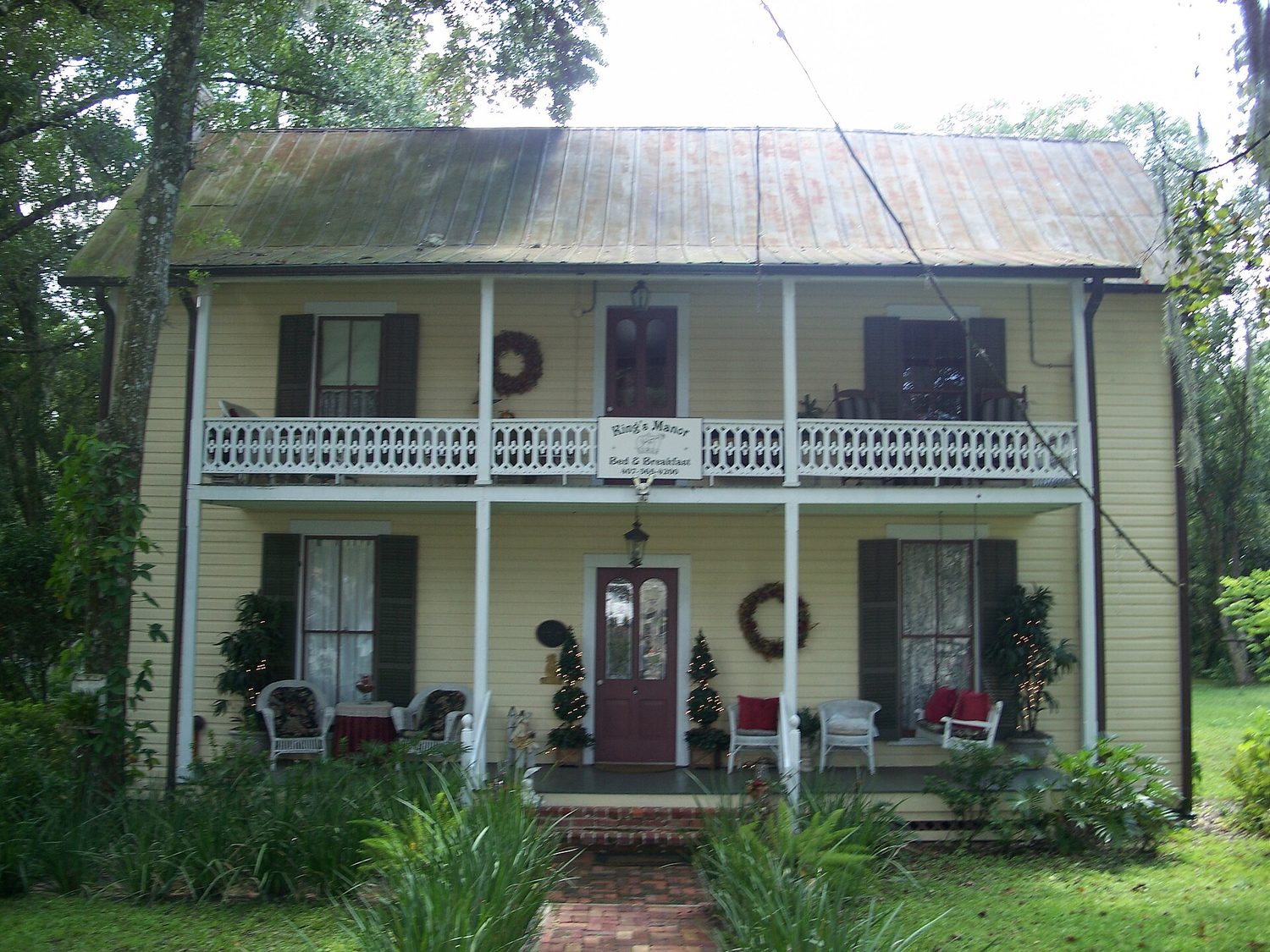
The 1875 trading post is long gone, but its spirit survives. Oviedo's downtown is a mix of historic houses and buildings that have been repurposed, restored, and lived in, with chickens patrolling the spaces between them. The birds are not a sanctioned attraction; they are a fact of life. They peck, they cluck, they occasionally cause a mild traffic delay. Locals shrug. Visitors photograph them. The downtown itself functions as a quiet, walkable center, a place where the past and the present share the same sidewalk. There is no lodging in Oviedo, so it is not a destination for overnight stays, but it is a place worth the drive for a meal, a stroll, and a few dozen chicken photos.
Oviedo's Economy in the 2020s: Key Statistics
The celery money built the town, but the modern economy runs on something else entirely. Oviedo's median household income sits at 114,092 USD, and 55.8 percent of residents hold a bachelor's degree or higher. The median home value is 428,500 USD, with a median gross rent of 1,963 USD. The unemployment rate is 4.6 percent, and the population is 39,990 people with a median age of 37.2 years. Of the 13,823 total housing units, only 78 are held for seasonal or recreational use, which means this is a town of homeowners, not vacationers. The 548 vacant units suggest some turnover, but the overall picture is one of stability and prosperity. Oviedo is not just keeping up with its neighbors; it is outpacing them.
| Town | Distance from Oviedo | Key Annual Event |
|---|---|---|
| Sanford | 11 miles | Sanford Porchfest |
| Altamonte Springs | 14 miles | Red Hot & Boom |
| Mount Dora | 33 miles | Mount Dora Arts Festival, Mount Dora Craft Fair |
| Clermont | 38 miles | Pig on the Pond |
| Flagler Beach | 56 miles | First Friday |
Great Day in the Country: Oviedo's Annual Community Festival
Once a year, the chickens share the spotlight. Great Day in the Country, run by the Oviedo Woman's Club since about 1974, takes over a November weekend with arts, crafts, food, and community stalls. The 2026 edition will be the 52nd, and parking is free. Proceeds go to local scholarships, schools, and community grants, which means the event is not just a good time—it is a funding mechanism for the town itself. For a community that started with forty families and a trading post, it is a fitting way to keep the collective spirit alive.
What has changed in Oviedo is everything except the essentials. The settlement became a town, the town became a city, and the economy shifted from celery to oranges to whatever the modern workforce does with a 55.8 percent bachelor's degree rate. But the chickens remain, the historic houses remain, and the community still gathers once a year to fund its own future. The trading post is gone. The chickens are not.
Common questions
- Why are there chickens roaming around Oviedo?
- The chickens are the town's beloved unofficial mascots. They've roamed downtown for decades, taking over where celery money once built the place. Locals feed and protect them, and they've become a quirky symbol of Oviedo's character, alongside its historic houses and buildings.
- What is Oviedo known for historically?
- Oviedo started as the Lake Jesup Settlement in 1875 with about forty families. It grew into a trading post, and agriculture—especially citrus and celery—ran the economy into the 1940s. The town was named after the Spanish city by early settler Andrew Aulin.
- Is Oviedo a good place to live or just visit?
- With a median household income of $114,092 and a low unemployment rate of 4.6%, Oviedo is a solid place to live. The median age is 37.2, and 55.8% of residents have a bachelor's degree or higher. It's also a fun visit for the chickens and historic downtown.
- What's the best time to visit Oviedo?
- November is great for the annual Great Day in the Country, run by the Oviedo Woman's Club since about 1974. The 2026 edition is the 52nd, with arts, crafts, food, and community stalls. Parking is free, and proceeds go to local scholarships and grants.
- How far is Oviedo from other towns worth seeing?
- Sanford is 11 miles away, Altamonte Springs 14, Mount Dora 33, Clermont 38, and Flagler Beach 56. Each has its own events, like Sanford Porchfest or Mount Dora Arts Festival, making Oviedo a good base for day trips.
- What's the housing market like in Oviedo?
- The median home value is $428,500, with a median gross rent of $1,963. There are 13,823 housing units total, but only 78 are seasonal or recreational, so it's mostly year-round residents. Vacancy is low at 548 units.
Every business named above is one we hold a listing for, and every date traces to a source on our sources page. We do not describe menus, interiors or service we have not verified. Details change — confirm before you travel.