Guides · Oviedo, Florida
Living in Oviedo, FL: What to Know Before You Move
The chickens do not ask for your permission. They cross the road when they feel like it, pause traffic, and treat the downtown curbs like a personal promenade. That is the first thing to understand about **Oviedo**—the birds won, and the people are fine with it.
How Celery Built Oviedo's Downtown
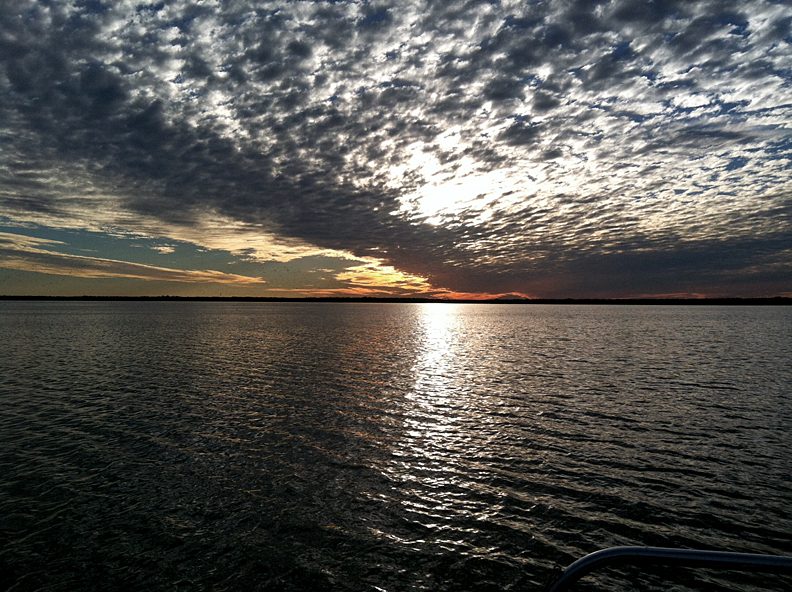
Long before the chickens, there was celery. Settlement began in the early 1800s, but the real starting point was the Lake Jesup Settlement in 1875, when around forty families set up shop a mile northwest of the lake that would lend them their name. The settlement grew into a thriving trading post, and the economy ran on agriculture into the 1940s—citrus and, most famously, celery. The low, mucky soil around Lake Jesup turned out to be perfect for the stuff, and celery money built the downtown you can still walk through today.
The town's name came from Andrew Aulin, an early settler and shopkeeper who named the post office after the Spanish city and university of Oviedo, honoring the state's Spanish heritage. It became a town in 1925 and a city by referendum in 1967. Along the way, Butler Boston earned his place in local lore by successfully grafting tangerine budwood and the temple orange from Jamaica—a small agricultural triumph that kept the citrus side of the ledger interesting.
The Chickens of Oviedo: Who Really Runs This Town?
Now, about the birds. The free-roaming chickens of downtown Oviedo are not a marketing stunt or a themed attraction. They are simply there—scratching, clucking, and asserting their right of way. They have become the town's unofficial mascots, and their presence says everything about Oviedo's character: live and let live, even if "live" means a rooster perching on a bench outside the post office.
The chickens are a daily reminder that Oviedo does not need to perform its charm. It just has it, feathers and all.
Historic Houses, Not High-Rises: Oviedo's Charm
What survived the settlement era is still visible. Oviedo's historic houses and buildings from the late 1800s and early 1900s line the downtown streets, and the town has managed to grow without bulldozing its past into a strip mall. There are no high-rises here—just a skyline of oak branches and rooflines that have been standing for a century or more. The small-town feel is not an accident; it is the result of keeping what was built, rather than replacing it with whatever was newer.
Oviedo by the Numbers: Cost of Living and Demographics
The census data sketches a town that is doing well, with the price tag to match. Oviedo's population sits at 39,990 people, with a median age of 37.2 years. It is an educated town—55.8 percent of residents hold a bachelor's degree or higher—and unemployment is low at 4.6 percent. Median household income is $114,092, which helps explain the median home value of $428,500. Renters are paying a median gross rent of $1,963 per month. Of the 13,823 total housing units, 548 are vacant, and 78 are held for seasonal or recreational use—a reminder that some people come here just for the weather.
| Stat | Value |
|---|---|
| Population | 39,990 people |
| Median age | 37.2 years |
| Median household income | $114,092 |
| Median home value | $428,500 |
| Median gross rent | $1,963 |
| Bachelor's degree or higher | 55.8% |
| Unemployment rate | 4.6% |
| Total housing units | 13,823 |
| Vacant housing units | 548 |
| Seasonal/recreational homes | 78 |
A Town That Still Gathers: The Great Day in the Country Festival
If you want to see Oviedo at its best, show up on the second weekend of November. Great Day in the Country, run by the Oviedo Woman's Club since about 1974, returns for its 52nd edition in 2026—a full weekend of arts, crafts, food, and community stalls that raises money for local scholarships, schools, and community grants. Parking is free, and the whole affair feels like a small-town fair that never got the memo about being quaint.
Day Trips Without the Drive
Oviedo's location makes it a practical base for exploring Central Florida without living in the tourist swirl. Sanford is 11 miles away and hosts its Porchfest; Altamonte Springs, 14 miles out, puts on Red Hot & Boom; Mount Dora, 33 miles away, runs its Arts Festival and Craft Fair; Clermont, 38 miles off, has Pig on the Pond; and Flagler Beach, 56 miles east, does First Friday by the coast. You can have the quiet of the chickens at home and still be a short drive from the bigger events.
What it is like to live in Oviedo is simple: celery built it, history kept it, and the chickens run it. Everyone else is just visiting.
Common questions
- Why are there chickens roaming around Oviedo?
- The chickens are a beloved local quirk—they've taken over downtown and are part of Oviedo's identity. No one officially owns them, and they've become a symbol of the town's charm, wandering near historic buildings and streets. Locals feed and protect them, making them a fun, unexpected attraction.
- What is Oviedo's history and how did it start?
- Settlement began in the early 1800s, and the Lake Jesup Settlement was established in 1875 with about forty families. It grew into a trading post. Oviedo became a town in 1925 and a city in 1967. Andrew Aulin named it after the Spanish city to honor Florida's Spanish heritage.
- What was Oviedo's economy like in the past?
- Agriculture drove the economy into the 1940s, mainly citrus and celery. Butler Boston is credited with grafting tangerine budwood and the temple orange from Jamaica. Celery money built downtown, though the chickens have since taken over the spotlight.
- What is the Great Day in the Country event?
- It's a November weekend festival run by the Oviedo Woman's Club since about 1974—the 2026 edition is the 52nd. It features arts, crafts, food, and community stalls. Proceeds go to local scholarships, schools, and grants. Parking is free.
- How does Oviedo compare to nearby towns like Sanford or Mount Dora?
- Oviedo is a quieter, residential town with a quirky chicken downtown. Sanford (11 miles) has Porchfest, Mount Dora (33 miles) hosts arts festivals, and Altamonte Springs (14 miles) has Red Hot & Boom. These make easy day trips, but Oviedo offers its own charm without the crowds.
- What are the demographics and cost of living in Oviedo?
- The population is about 39,990, with a median age of 37.2. Median household income is $114,092, and median home value is $428,500. Median gross rent is $1,963. About 55.8% have a bachelor's degree or higher, and unemployment is 4.6%.
Every business named above is one we hold a listing for, and every date traces to a source on our sources page. We do not describe menus, interiors or service we have not verified. Details change — confirm before you travel.