Guides · Oviedo, Florida
What People Get Wrong About Oviedo, FL
The Chickens Are the Point, Not the Punchline
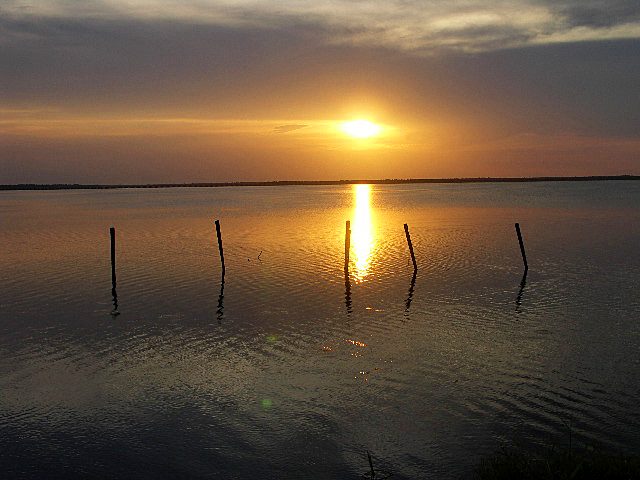
Walk downtown Oviedo and you'll see them: chickens scratching along sidewalks, crossing roads with zero regard for traffic, fluffing themselves on porches of historic houses. Locals have stopped noticing; visitors can't stop staring. But here's what outsiders miss—the chickens aren't a quirk or a nuisance. They're the most honest thing about the place. While other Central Florida towns tore down their past for strip malls, Oviedo's birds kept scratching at the same dirt their ancestors found when this was still a trading post. The chickens are continuity with feathers. They don't know about the 1967 city referendum or the celery boom; they just know this ground is theirs, and that stubbornness is exactly what Oviedo's human residents share.
Celery Made Oviedo, But Tangerines Made It Famous
The Lake Jesup Settlement started in 1875 with about forty families, a mile southeast of the lake that gave it a name. It grew into a trading post, and by the early 1800s settlement era, agriculture was the whole economy. Citrus and celery built the town's bones. Andrew Aulin, an early settler and shopkeeper, named the post office Oviedo after the Spanish city and university—a nod to Florida's Spanish heritage that most people today don't know. But the agricultural claim to fame belongs to Butler Boston, who successfully grafted tangerine budwood and introduced the temple orange from Jamaica. That's not a footnote; that's the reason Oviedo's agricultural identity matters beyond its own borders. The celery money built downtown. The tangerines made it noteworthy.
Oviedo's Slow Road to Cityhood: A 42-Year Story
Oviedo became an official town in 1925 and didn't become a city until a 1967 referendum. That's forty-two years of deliberateness. Compare that to Florida's typical pattern of boom-bust-boom, and you'll see the point: Oviedo never rushed to be anything other than what it was. The settlement grew slowly, deliberately, from forty families into a working community. It wasn't trying to impress anyone. That patience is baked into the town's character today—the historic houses still stand, the downtown still has its original bones, and the chickens still roam. Growth came, but it had to fit around what was already there, not replace it.
Oviedo's Census Data: Why 'Bedroom Suburb' Doesn't Fit
People dismiss Oviedo as a bedroom suburb. The census tells a different story. Over half the population—55.8 percent—holds a bachelor's degree or higher, which signals a professional, invested community rather than a transient one. The unemployment rate sits at 4.6 percent, and the median household income is $114,092, well above national averages. The median home value of $428,500 and median gross rent of $1,963 reflect a market where people stay and build. Only 78 housing units out of 13,823 are held for seasonal or recreational use—under one percent. That's not a vacation town. That's a place people actually live, year-round, with 548 vacant units suggesting a tight, stable housing market. At 37.2 years old, the median age points to established families, not a college-town shuffle. The suburb label is lazy; the numbers say rooted.
Great Day in the Country: Oviedo's Signature November Event
Great Day in the Country, run by the Oviedo Woman's Club since about 1974, is the town's annual expression of itself. The 2026 edition marks the 52nd year, happening over a November weekend with arts, crafts, food, and community stalls. Proceeds go to local scholarships, schools, and community grants—not to some corporate sponsor. Parking is free, which tells you everything about the ethos. This isn't a festival designed to extract money from tourists; it's a town gathering where the community funds its own future.
What Oviedo Isn't: A Dispelling of Common Myths
The biggest myth: "There's nothing to do." That's what people say when they've never actually been here. The second myth: "It's just a bedroom community." The census numbers already dismantled that one. The third: "The chickens are a problem." They're not—they're the point.
Compare Oviedo to nearby towns and the contrast sharpens. Sanford, 11 miles away, has Porchfest. Mount Dora, 33 miles out, draws crowds for its Arts Festival and Craft Fair. Altamonte Springs has Red Hot & Boom; Clermont has Pig on the Pond; Flagler Beach has First Friday. These are fine events, but they're destinations—you go to them. Oviedo's Great Day in the Country is the opposite: it's a homecoming. You don't attend Oviedo; you participate in it.
The historical significance beyond suburbia is real: this was a 19th-century farming settlement that grew into a trading post, produced a tangerine breakthrough, and named itself after a Spanish university city. Is it a good place for families? With a median age of 37.2, low unemployment, high education levels, and a housing market dominated by permanent residents—yes, the numbers support it. Which event captures the culture? Great Day in the Country, without question. And how does Oviedo compare to Sanford or Mount Dora? It's less curated, less tourist-minded, and more genuinely itself. Sanford has its porch parties; Mount Dora has its festivals. Oviedo has chickens that never left and residents who understand why.
Oviedo by the Numbers: The Real Story
| Stat | Figure |
|---|---|
| Population | 39,990 |
| Median age | 37.2 years |
| Median household income | $114,092 |
| Bachelor's degree or higher | 55.8% |
| Unemployment rate | 4.6% |
| Median home value | $428,500 |
| Median gross rent | $1,963 |
| Total housing units | 13,823 |
| Seasonal/recreational use units | 78 |
| Vacant housing units | 548 |
The chickens roam because they always have. The town took its time because it didn't need to prove anything. Oviedo isn't a punchline waiting for a better joke—it's a place that knows exactly what it is, and it's not interested in your misconceptions.
Common questions
- Why are there chickens roaming around Oviedo?
- The chickens are the town's famous residents, roaming downtown freely. They've become a beloved symbol of Oviedo's character, alongside its historic houses and buildings. Nobody officially owns them; they just took over, and locals and visitors alike enjoy their quirky presence.
- What is Oviedo known for besides the chickens?
- Oviedo's roots are in agriculture, especially celery and citrus, which built the downtown. It's also known for its historic buildings and the Lake Jesup Settlement, which started with about forty families in 1875. The town's history and the chickens give it a unique, small-town feel.
- How did Oviedo get its name?
- Andrew Aulin, an early settler and shopkeeper, named the post office Oviedo after the Spanish city and university, to honor Florida's Spanish heritage. The settlement itself began in the early 1800s, and the town was officially established in 1925.
- Is Oviedo a good place to live?
- Oviedo has a median household income of $114,092 and a low unemployment rate of 4.6%. Over half of residents (55.8%) hold a bachelor's degree or higher. The median home value is $428,500, and the median gross rent is $1,963, reflecting a stable, educated community.
- What is the Great Day in the Country event?
- It's an annual November weekend festival run by the Oviedo Woman's Club since about 1974. The 2026 edition is the 52nd, featuring arts, crafts, food, and community stalls. Proceeds go to local scholarships, schools, and community grants, and parking is free.
- What towns are near Oviedo for a day trip?
- Sanford is 11 miles away and hosts Sanford Porchfest. Altamonte Springs (14 miles) has Red Hot & Boom, and Mount Dora (33 miles) offers arts festivals and craft fairs. Clermont (38 miles) has Pig on the Pond, and Flagler Beach (56 miles) has First Friday events.
Every business named above is one we hold a listing for, and every date traces to a source on our sources page. We do not describe menus, interiors or service we have not verified. Details change — confirm before you travel.